From the royal kitchens of the Nizams to a corner table in Hythe — the story of a dish that changed us.
Royal roots
Biryani, as we know it in Hyderabad, was refined in royal kitchens where Persian and Mughal traditions met South Indian ingredients. It became a dish of fragrance, patience and precision.
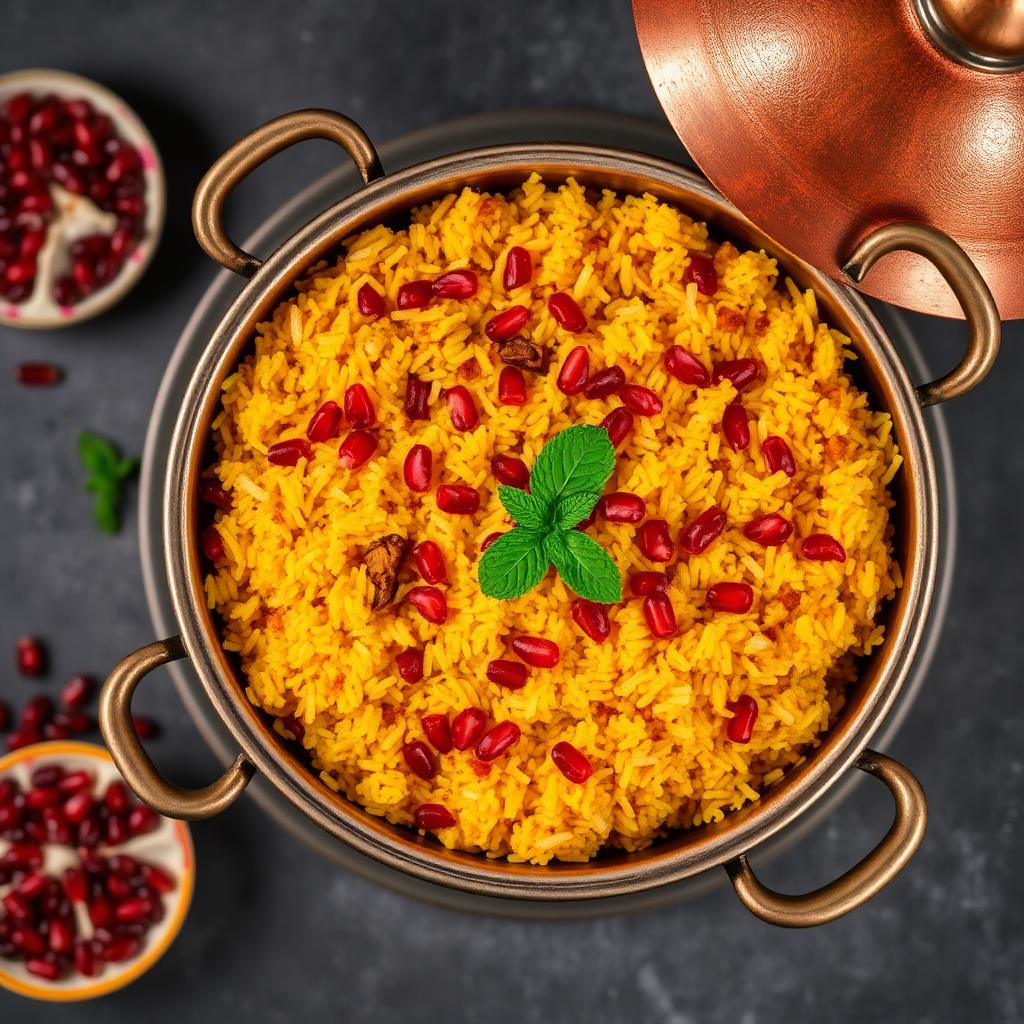
The Hyderabadi style is famous for layering marinated meat, rice, saffron and aromatics so that every grain carries flavour without becoming heavy.
The dum method
Dum cooking seals the pot and lets steam do the work. The rice and masala finish together, which keeps the spices rounded and the meat tender.
In the restaurant, timing matters more than speed. We want the rice separate, the aroma clear, and the masala deep enough to carry the whole plate.
How we serve it at Swagat
Our biryani is generous, aromatic and built for sharing. We serve it with cooling raita and a fresh salad so the richness has somewhere to land.
It is one of the dishes that rewards a slow meal: lift the rice from the edge, fold through the masala, and let each spoonful change as you move through the pot.
Why it stays on the menu
Some dishes become regular favourites because they feel complete. Hyderabadi Biryani is comfort, ceremony and craft in one plate, which is why guests keep coming back to it.
About the author
Chef Priya
Curry & Regional Specialities
Priya specialises in the slow-cooked, layered dishes of Southern India.